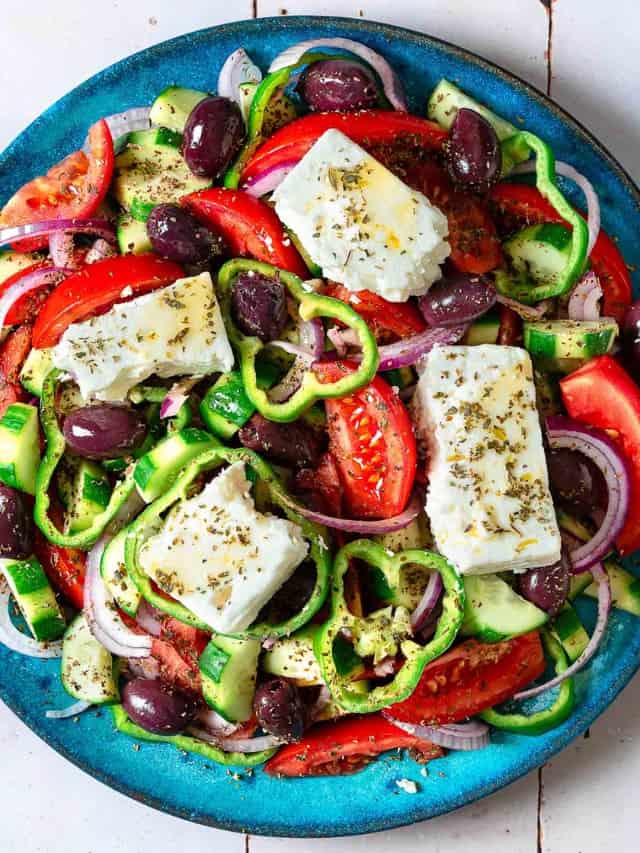
Authentic Horiatiki: The Simple 10-Minute Greek Village Salad
Imagine a warm evening, the scent of fresh herbs in the air, and a plate brimming with vibrant, sun-kissed vegetables. This isn't just a fantasy; it's the everyday reality of the traditional Greek Village Salad, known affectionately as Horiatiki Salata. Far more than just a mix of greens, this iconic dish is a celebration of simplicity, quality ingredients, and the very essence of Mediterranean living. Best of all? An authentic greek salad recipe can be on your table in under 10 minutes.
The name "Horiatiki" itself is telling, translating directly to "village salad." It evokes images of a rustic, humble, and garden-fresh meal, prepared with whatever bountiful produce the local land offers. Unlike its many international interpretations, the true Greek salad remains steadfast in its composition: no frills, no fancy dressings, just honest, robust flavors allowed to shine. It's a testament to the fact that when ingredients are at their peak, less truly is more. Whether you're seeking a quick summer lunch, a refreshing side dish, or a light yet satisfying dinner, Horiatiki is your answer. Its rich feta cheese provides a fulfilling anchor without ever feeling heavy, making it a perfect go-to meal throughout the warmer months. Ready to discover the magic? Let's delve into what makes this particular greek salad recipe so special.
The Pillars of Authenticity: Essential Ingredients for Your Horiatiki
The secret to an unparalleled Horiatiki lies not in complex techniques, but in the unwavering commitment to the finest, freshest ingredients. There's no hiding place for mediocrity here; each component plays a starring role. To truly master this greek salad recipe, focus on sourcing the best quality you can find:
- Sun-Ripened Tomatoes: These are the soul of the salad. Seek out ripe, juicy, often heirloom varieties that are bursting with natural sweetness and acidity. Cut them into chunky, rustic pieces rather than precise cubes; this allows their natural juices to mingle wonderfully.
- Crisp Cucumbers: Refreshing and crunchy, cucumbers provide a cool counterpoint to the other ingredients. English or Persian cucumbers work well, sliced into substantial rounds or half-moons.
- Sliced Red Onion: A thin slicing of red onion adds a welcome sharpness and pungent bite. If you find raw onion too strong, a quick soak in ice water for a few minutes can mellow its intensity.
- Sliced Green Bell Pepper: Often overlooked in non-authentic versions, green bell pepper is crucial. Its fresh, slightly bitter, and sweet notes are integral to the traditional flavor profile. Slice it into rings or strips.
- Briny Kalamata Olives: There's no substitute for authentic Kalamata olives. Their rich, fruity, and salty flavor is unmistakable. Ensure they are pitted for ease of eating.
- Generous Block of Feta Cheese: This is where many recipes deviate. An authentic Horiatiki features a substantial, often rectangular, block of creamy, tangy feta placed directly on top of the vegetables, not crumbled throughout. This encourages diners to break off pieces, experiencing the full flavor and texture of the cheese with each bite. Look for PDO (Protected Designation of Origin) Greek feta made from sheep's or a combination of sheep's and goat's milk.
- Plenty of Extra Virgin Olive Oil: The dressing of choice, and arguably the most important element after the vegetables. A high-quality, cold-pressed extra virgin olive oil from Greece adds a fruity, peppery depth that ties all the flavors together. Don't be shy with it!
- Dried Greek Mountain Oregano: The finishing touch. This potent, aromatic herb delivers a distinctive Mediterranean aroma and flavor. A generous sprinkle over the top is essential.
Beyond the Basics: Embracing Variations (and What Not to Do Traditionally)
While the core ingredients remain sacred for a truly authentic greek salad recipe, understanding the nuances of traditional Horiatiki also involves knowing what not to include. The most common misconception? Lettuce.
The "No Lettuce" Rule: In Greece, a true Horiatiki Salata does not contain lettuce. The reasoning is simple: it's a "village" salad, designed to highlight the hearty, rustic produce of the field, not a delicate leaf salad. Adding lettuce fundamentally changes its character, diluting the intense flavors of the core vegetables and cheese. If you're craving a salad with greens, consider creating a separate green salad alongside your Horiatiki.
However, that doesn't mean there aren't delightful and sometimes traditional additions that can elevate your experience or offer a subtle twist. While these are not part of the absolute fundamental Horiatiki, they are popular in various regions of Greece or make for fantastic modern adaptations:
- Capers: A popular addition in some Greek regions, a scattering of baby capers adds a delightful briny, savory pop that complements the olives and feta beautifully. You can even find brined caper leaves for a unique texture.
- Kritamos (Sea Fennel): For the adventurous palate, Kritamos, or sea fennel preserved in brine, offers a uniquely salty and savory flavor that speaks of the Aegean coastline. It's a more extravagant touch, but deeply authentic to certain island cuisines.
- Paximadi (Greek Rusks): Crumbled or whole, these dried bread rusks are often served with Horiatiki. They soak up the incredible juices that collect at the bottom of the plate, adding a wonderful textural contrast and ensuring not a drop of flavor is wasted.
- A Touch of Acidity: While the tomatoes and feta offer natural acidity, a few drops of red wine vinegar or fresh lemon juice can be added according to personal preference, often enhancing the brightness of the salad. This is more common in tossed variations.
- Modern Twists (Delicious, but not Traditional Horiatiki):
- Arugula: While not traditional, a handful of peppery arugula (rocket) leaves can be a delicious addition if you crave some greens, but it instantly moves your salad away from strict Horiatiki.
- Avocado: Not Greek, but a fantastic modern addition. Creamy avocado, especially when sprinkled with lemon juice, can offer a lovely texture and richness, making it a superb option if you're looking to skip the feta but still want that satisfying creaminess.
Remember, while experimenting can be fun, understanding the bedrock of authenticity allows you to appreciate the Beyond Lettuce: Crafting the Perfect Traditional Greek Salad experience fully.
Crafting Your Horiatiki: A Simple 10-Minute Method
The beauty of this greek salad recipe lies in its effortless assembly. There's no complex dressing to whisk or intricate chopping techniques to master. It's about letting the natural goodness of the ingredients speak for themselves.
- Prepare the Vegetables: Begin by roughly chopping your ripe tomatoes into chunky pieces. Slice the cucumbers into thick rounds or half-moons. Thinly slice the red onion and the green bell pepper into rings or strips.
- Arrange on the Plate: Unlike many salads that are tossed in a mixing bowl, Horiatiki is traditionally arranged on a shallow bowl or a deep plate. Start by layering the tomatoes, followed by the cucumbers, green pepper, and red onion. Arrange them attractively to showcase their vibrant colors.
- Add the Olives: Scatter the Kalamata olives generously over the bed of vegetables.
- Place the Feta: Crown your salad with the star – a large, unbroken block of feta cheese, placed proudly in the center or slightly to the side. This is the hallmark of an authentic Greek salad.
- Drizzle and Season: Liberally drizzle high-quality extra virgin olive oil over the entire salad, ensuring it coats the feta and pools slightly at the bottom. Finish with a generous sprinkle of dried Greek mountain oregano.
The "No Mix" Rule: Crucially, do not mix the salad before serving. Traditionally, guests mix their own portions, ensuring each bite offers the pristine flavor of individual ingredients while gradually combining them. This also prevents the salad from becoming soggy and allows the juices from the tomatoes and olive oil to collect at the bottom – a delicious elixir perfect for dipping fresh bread.
Why Horiatiki Reigns Supreme: More Than Just a Salad
Beyond its undeniable deliciousness, the Horiatiki salad embodies a philosophy of food that is both nourishing and deeply satisfying. It's more than just a greek salad recipe; it's a lifestyle choice.
- Versatility Personified: Horiatiki is incredibly adaptable. It shines as a refreshing appetizer, a vibrant side dish to grilled meats or fish, or a light yet surprisingly filling main meal all on its own. The substantial feta provides ample protein, making it a perfect quick and easy summer dinner option.
- A Mediterranean Powerhouse: Bursting with fresh vegetables, healthy fats from the olive oil, and the goodness of feta, this salad is a poster child for the revered Mediterranean diet. It's a dish that tastes indulgent but is packed with nutrients, promoting well-being with every bite.
- Effortless Elegance: Despite its humble origins, Horiatiki possesses an inherent elegance. Its simplicity allows the quality of the ingredients to speak volumes, making it a dish that impresses without demanding hours in the kitchen. It's the ultimate stress-free entertaining option.
- The Taste of Summer: There's a moment every summer, when tomatoes are at their peak and the days are long and warm, that nothing else makes sense but this salad. It captures the essence of summer on a plate, delivering a burst of sunshine and freshness that invigorates the senses.
The ability of this simple dish to evoke such strong feelings and provide such profound satisfaction is why it has been cherished for centuries. It's a testament to the power of pure, unadulterated flavor, a philosophy that we wholeheartedly embrace in our Summer's Go-To: Easy Greek Salad Bursting with Mediterranean Flavor.
Conclusion
The Authentic Horiatiki, the Greek Village Salad, is a culinary masterpiece of simplicity. It reminds us that the most memorable meals often stem from the freshest ingredients, handled with respect and prepared without fuss. This 10-minute greek salad recipe isn't just about putting food on a plate; it's about embracing a tradition, a taste of the Mediterranean, and the sheer joy of honest, vibrant flavors. So, gather your finest tomatoes, your creamiest feta, and your best olive oil, and experience the unparalleled delight of Horiatiki. It's more than just a salad; it’s an invitation to savor the simple pleasures of life.
